
Posture Improvement In Midtown NYC
 If you’ve caught yourself slouching at your desk, feeling tight through your neck and shoulders, or waking up with stiffness that lingers all day, posture may be playing a bigger role than you think. Posture isn’t about standing like a soldier. It’s about how your spine stacks, how your joints move, and how much strain your muscles and nervous system carry just to get through the day.
Midtown NYC chiropractor, Dr. Robert Shire has over two and a half decades of experience helping people improve posture in a practical way, so they can sit, stand, breathe, and move with less tension and more ease.
Signs Your Posture May Be Contributing to Symptoms
Poor posture often builds slowly, which is why many people don’t connect it to how they feel.
Common complaint patterns include:
- Neck and shoulder tightness that returns daily
- Headaches that start after screen time
- Mid-back stiffness or a “stuck” upper back
- Low back discomfort after sitting
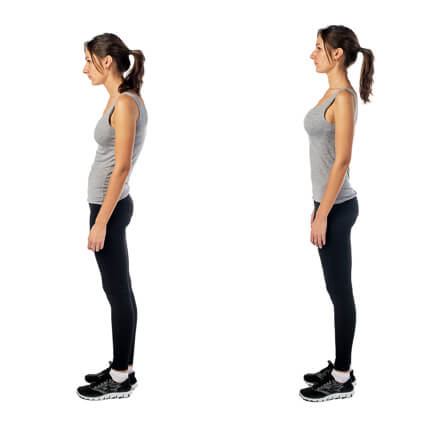
- Rounded shoulders or forward head position
- Feeling fatigued from simply holding yourself up
What Causes Posture to Drift Over Time
Modern life trains your body into positions it wasn’t designed to hold for hours. Contributing factors often include desk work and screen height issues, long commutes, constant phone use, weak core and upper back support, tight hip flexors from prolonged sitting, old injuries that alter movement patterns, and underlying spinal curvature, such as scoliosis.
How Chiropractic Care Can Help Improve Posture
When spinal joints aren’t moving well, the body compensates by overusing certain muscles and underusing others. Chiropractic care supports posture by improving spinal alignment and movement, reducing mechanical stress, and helping the nervous system coordinate posture more efficiently.
Dr. Shire uses gentle, precise adjustments focused on the areas that are restricted or imbalanced, then pairs that with practical recommendations to help your posture hold between visits.
Posture is the window into the spine. Poor posture equals poor spinal health. Poor spinal health equals poor nerve system health, and that equals decreased range of motion and decreased quality of life and health.” Dr. Robert Shire
What Your Posture Assessment Includes
Your first visit includes a detailed discussion of your daily habits and symptoms, posture and movement evaluation, flexibility and muscle balance checks, and a care plan designed around your goals and schedule. You may also receive simple exercise and ergonomic guidance to support progress at home.
Many people notice they feel “lighter,” breathe more comfortably, and move with less stiffness within a few weeks, though timelines vary.
John’s Upper Back Pain Resolved With Better Posture
John came to our office with upper back pain that had been wearing him down. During his posture examination, we found that his head was positioned about two inches forward of where it should be, well off his center of gravity. His range of motion was significantly decreased, he was experiencing jaw tension, and he had numbness traveling down his neck and into his shoulders.
Once we adjusted his back and cleared the subluxations in his upper spine and lower neck, he was able to move more freely right away. He could stand taller, keeping his head back over the top of his shoulders, and his balance improved noticeably.
We also showed him some exercises and daily habits to help maintain his posture, like standing at his desk instead of sitting all day, holding his phone up at eye level instead of looking down, and doing wall angels to keep his shoulders back.
Now, when he comes in, the difference is clear. He’s taller, he smiles more, and he carries himself with better confidence and overall health.
Stand Taller, Move Better, Feel Better
You don’t need perfect posture to feel better—you need a body that moves well and supports you through the day. If you’re ready to reduce tension and build a stronger foundation, contact us to schedule your posture assessment with Dr. Shire.
